Postcard Travel Guide
Kolkata in Postcards: Victoria Memorial, River Bridges, and Streets of Character
Kolkata is a city of striking contrasts: grand colonial-era architecture beside lively streets, yellow taxis weaving through traffic, quiet tree-lined corners, and the broad Hooghly River crossed by monumental bridges. From the formal gardens around Victoria Memorial to the everyday drama of rickshaws, boats, and bazaars, these are the things to see in Kolkata when you want travel memories with texture and personality. Together, the scenes make a vivid postcard collection or photo collage of the city.
Victoria Memorial and Kolkata’s grand architecture

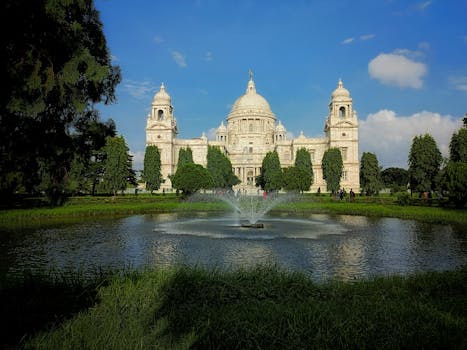
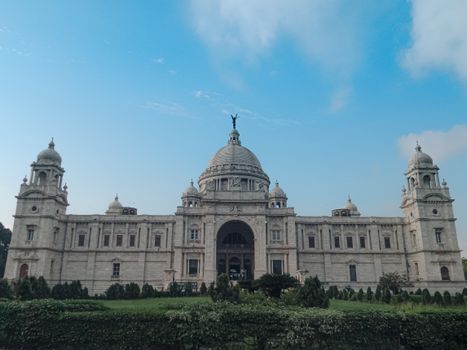
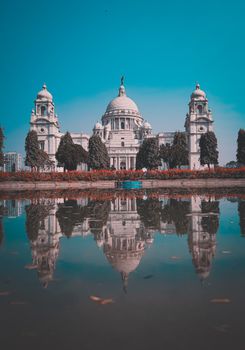
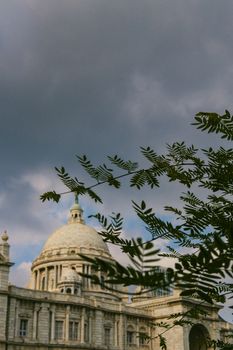
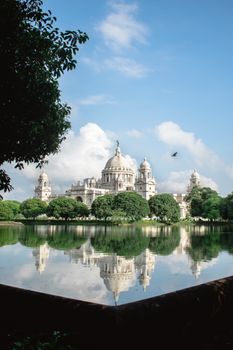
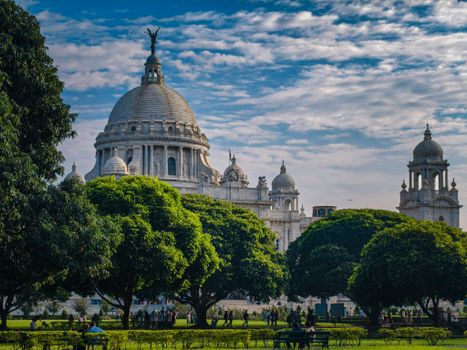
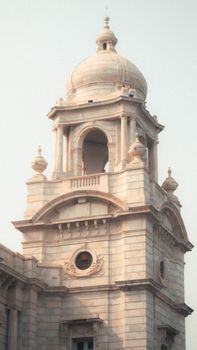
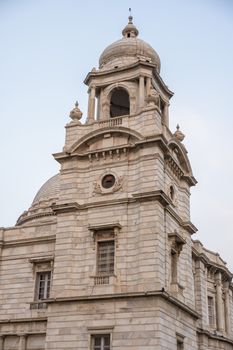
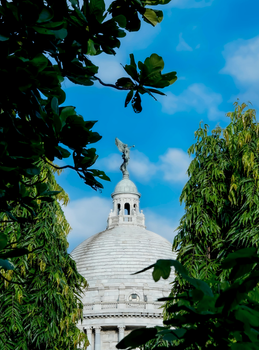
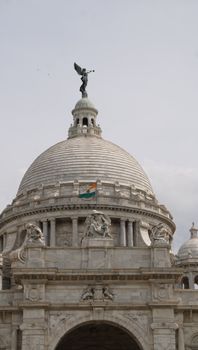
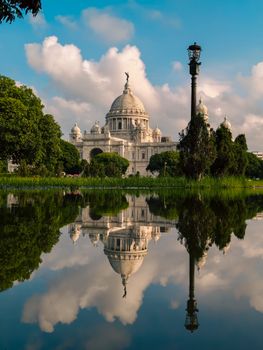
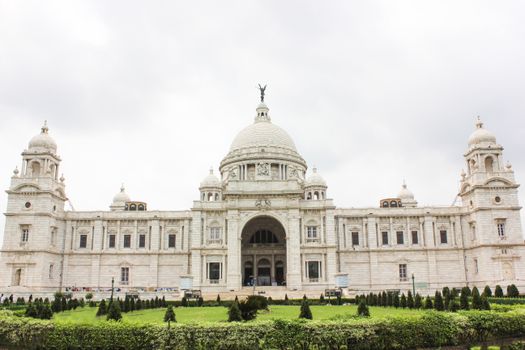
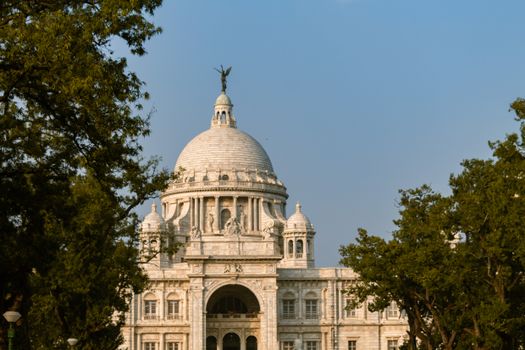
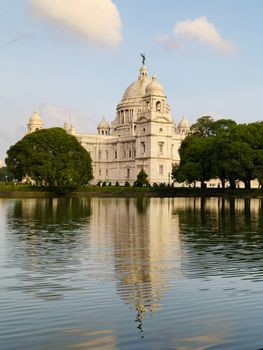
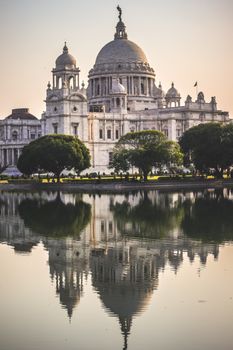
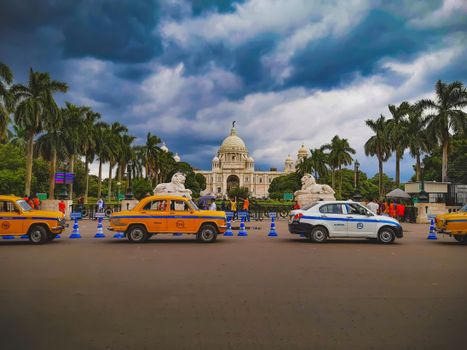
Victoria Memorial is one of Kolkata’s most recognizable landmarks, especially when its pale stone façade is framed by greenery, reflective water, or a changing sky. Wide views emphasize the building’s domes and formal proportions, while closer perspectives reveal ornamental details and the distinctive figure-topped central dome.
At dusk, the monument takes on a softer, atmospheric presence; in bright daylight, it becomes a crisp classic postcard motif. A collage of its reflections, towers, gardens, and architectural details conveys the ceremonial side of Kolkata.
Howrah Bridge and the Hooghly River

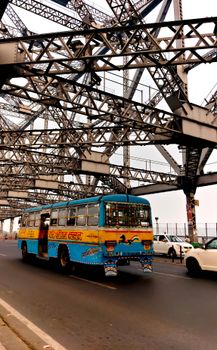
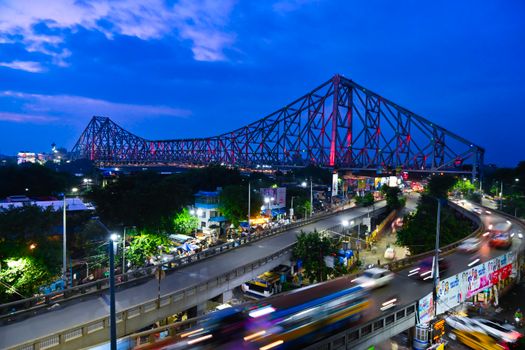
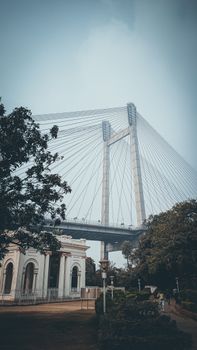
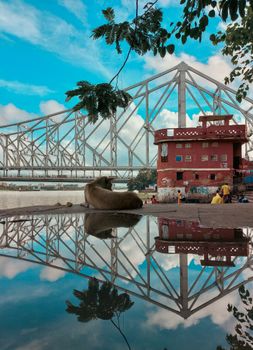
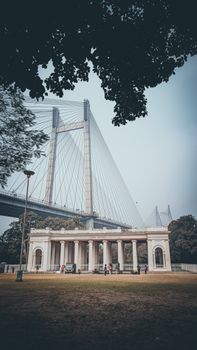
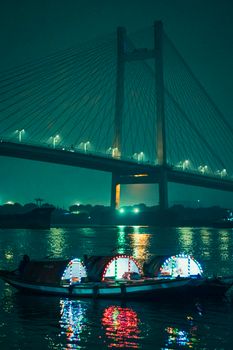
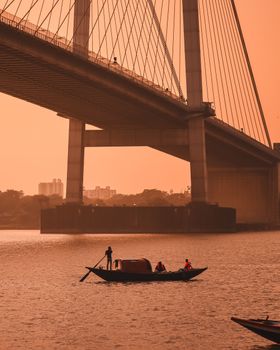
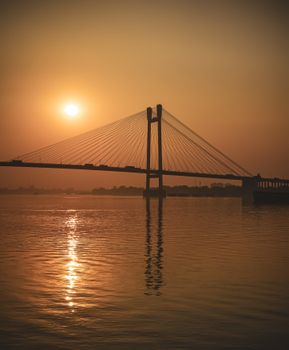
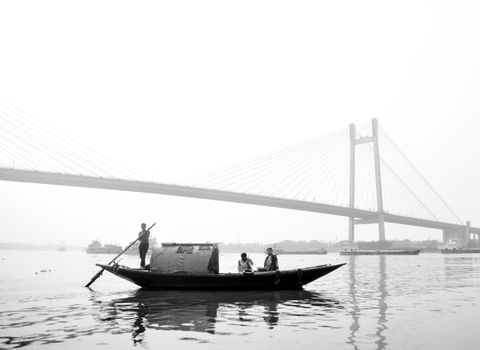
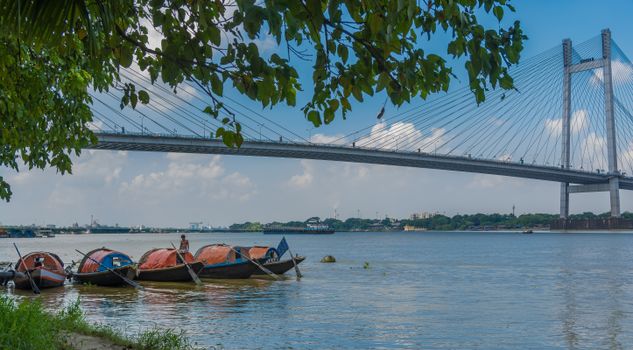
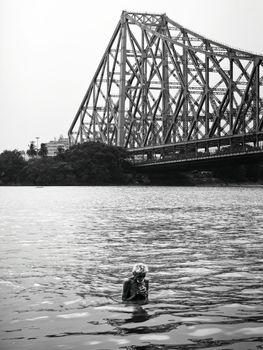
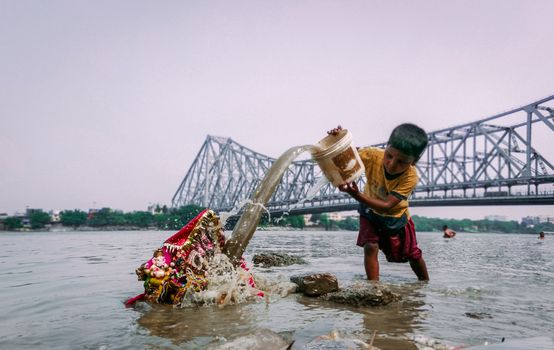
The Hooghly waterfront offers a different view of Kolkata, shaped by movement, open sky, and the silhouettes of its bridges. Howrah Bridge appears amid traffic, buses, taxis, and riverbank activity, while Vidyasagar Setu stretches across the water in evening light.
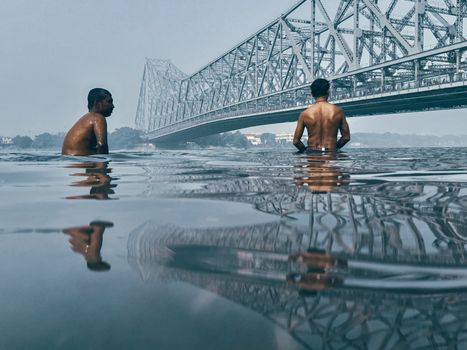
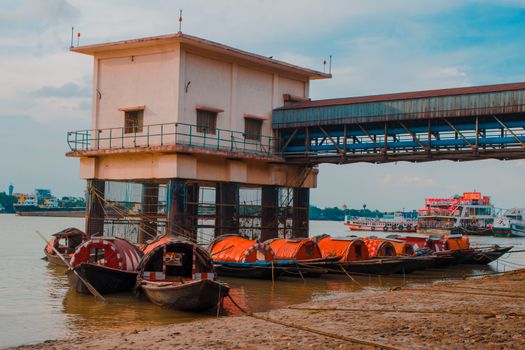
Boats beneath the spans add scale and a sense of daily life, from quiet river journeys to swimmers and bathers near the banks. These scenes make the kind of riverfront postcards that bring Kolkata’s energy and atmosphere home.
Yellow taxis and walking through Kolkata’s historic streets
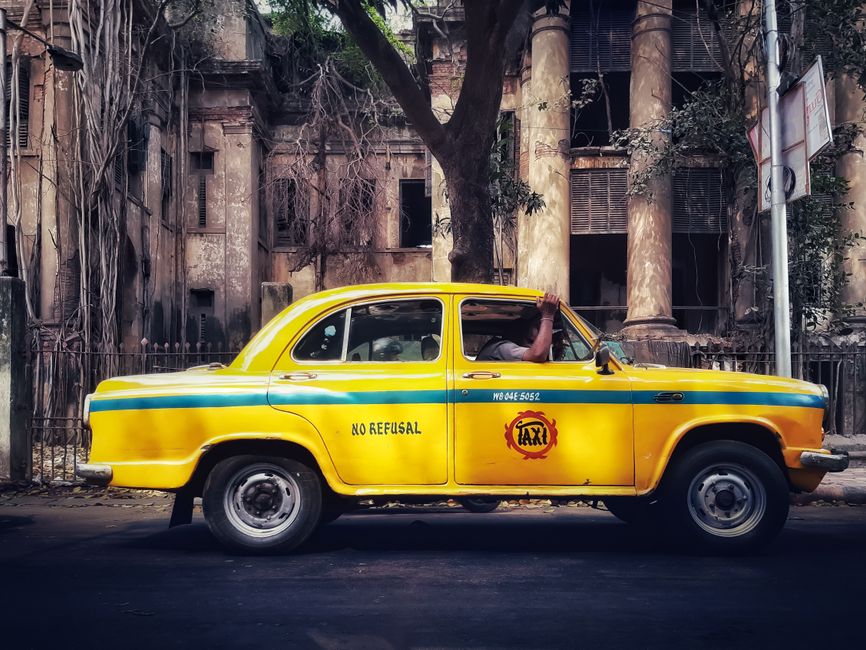
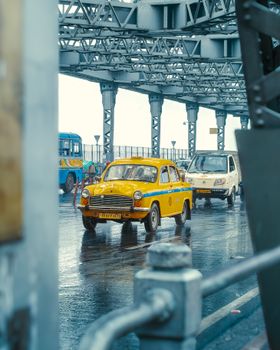
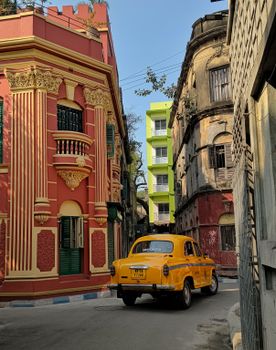
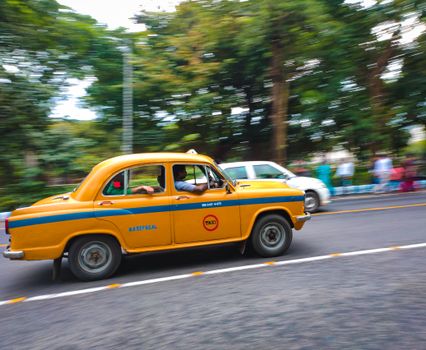
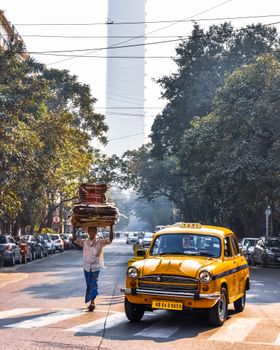
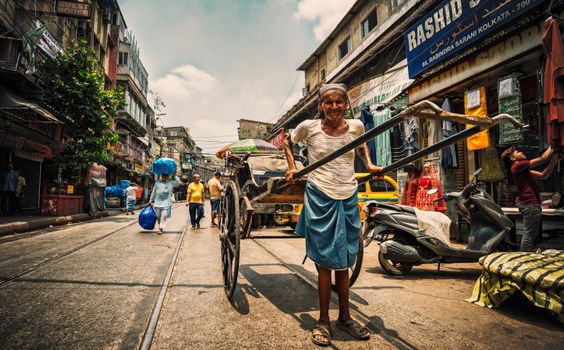
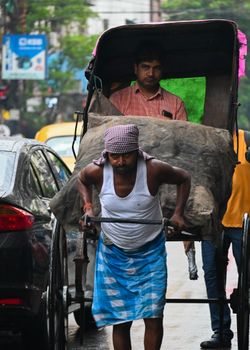
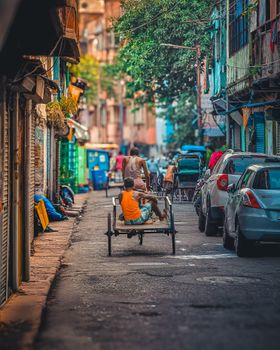
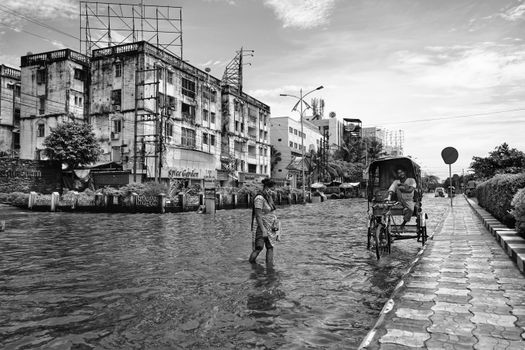
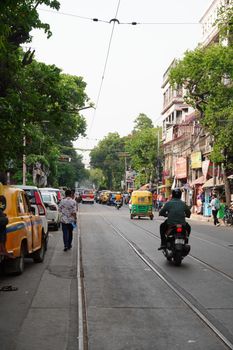
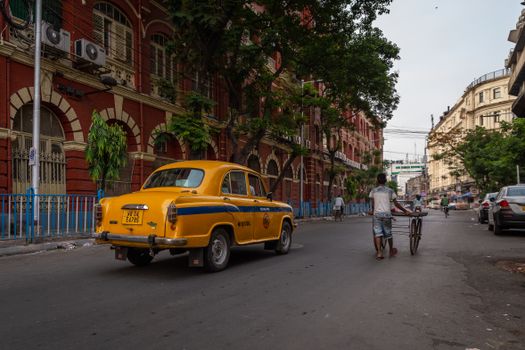
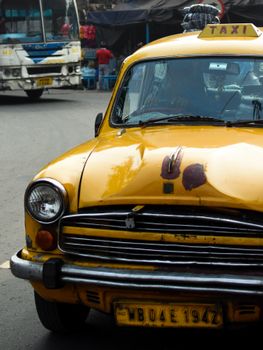
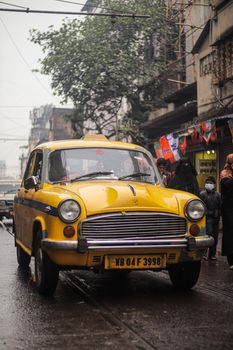
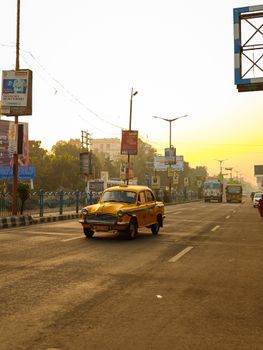
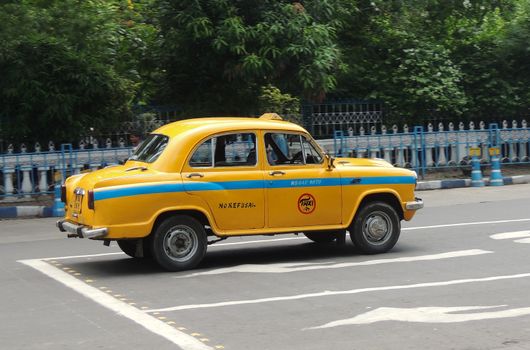
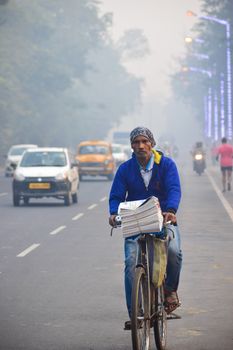
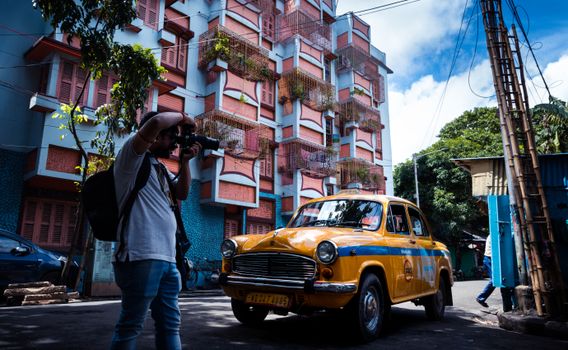
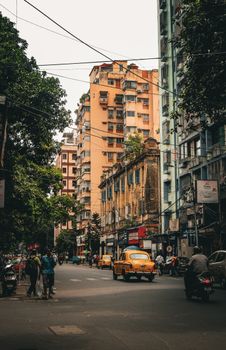
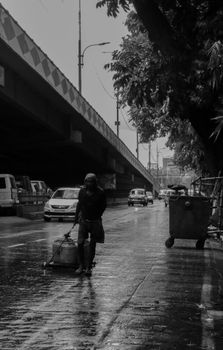
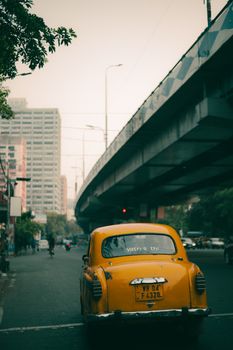
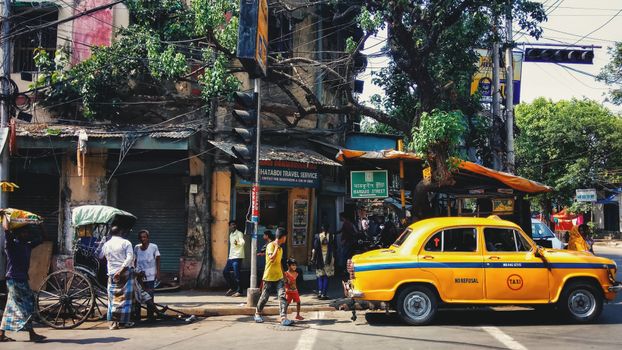
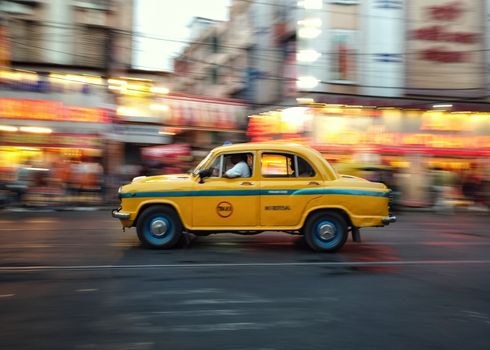
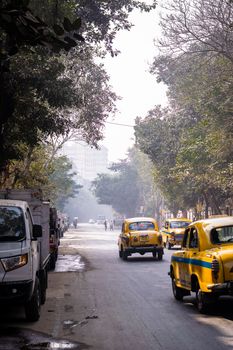
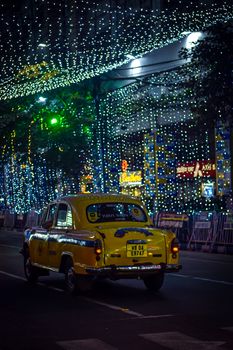
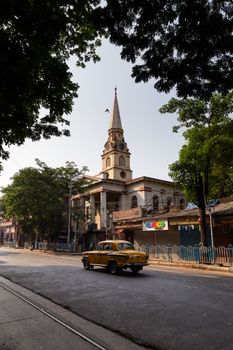
Few visual impressions are more closely associated with Kolkata than its yellow taxis. They appear against weathered façades, historic red buildings, busy crossings, colorful streets, and rainy roads, giving ordinary journeys a cinematic quality. Rickshaws, handcarts, cyclists, pedestrians, and delivery workers add layers to the street scenes.
Walking through Kolkata means noticing these details: faded walls, crowded lanes, painted buses, and sudden flashes of sunlight between buildings. The combination creates lively vacation-card imagery with a distinctly urban character.
Quiet green streets and colonial-era neighborhoods

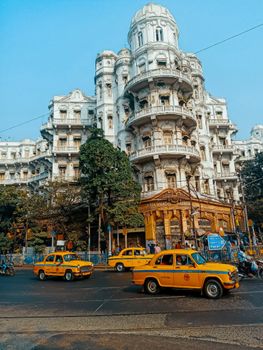
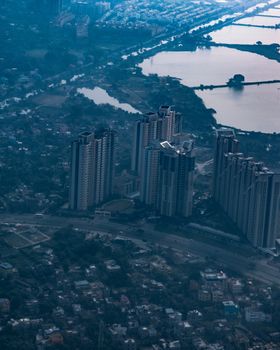
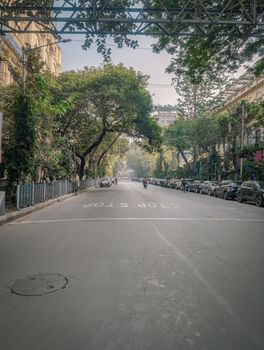
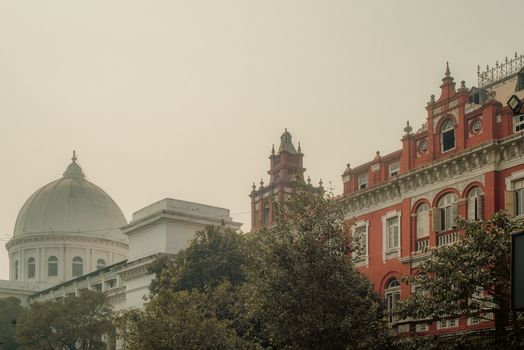
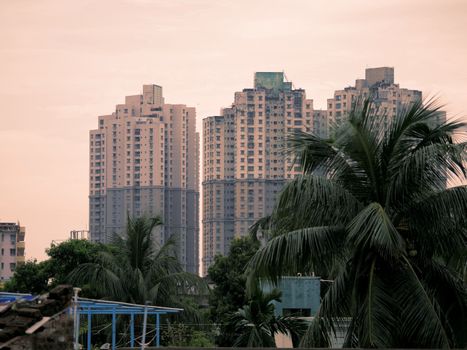
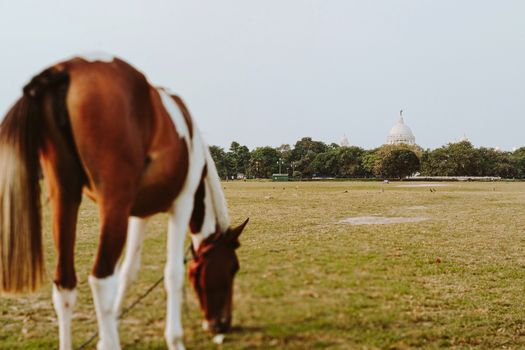
Away from the busiest traffic, Kolkata reveals a calmer rhythm beneath leafy canopies and hazy skies. Tree-lined streets, colonial-era buildings, church façades, reflective ponds, and glimpses of palms show the city’s layered architectural heritage without the formality of a single landmark.
These quieter views are useful counterpoints to the bridges and crowded roads, preserving the feeling of wandering through neighborhoods at an unhurried pace. They also add balance to a photo collage, with muted textures and open green spaces between brighter street scenes.
Festivals, river traditions, and Kolkata’s cultural life

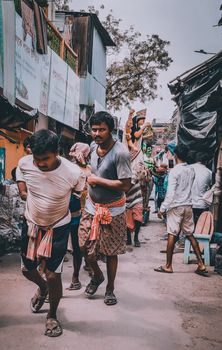
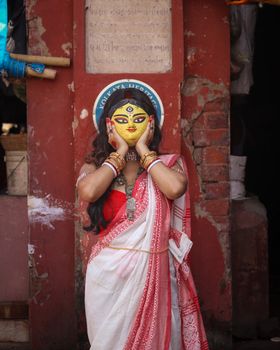
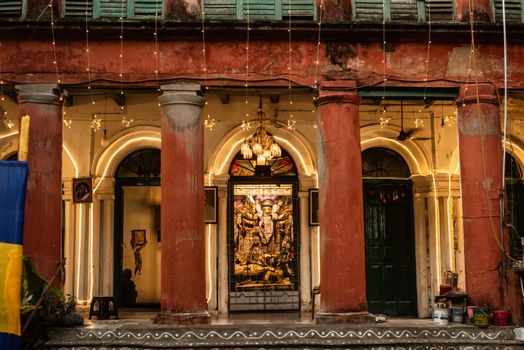
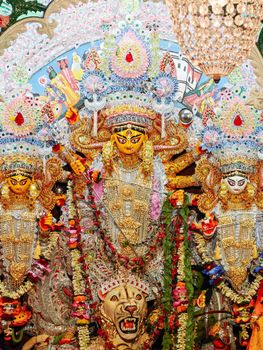
Kolkata’s visual identity is also shaped by ceremony and community. Processions, traditional clothing, decorated heritage buildings, religious sculpture, and richly crafted Durga Puja idols bring color and movement to the city.
Along the river, ritual activity connects cultural traditions with the city’s waterways and bridges. These moments feel especially personal in a set of postcards from Kolkata: alongside architecture and transport, they show the people, celebrations, and enduring customs that give the city its emotional character.
Photos provided by Pexels