Postcard Travel Guide
Chicago in Views: Skyline, River, Parks, and Urban Architecture
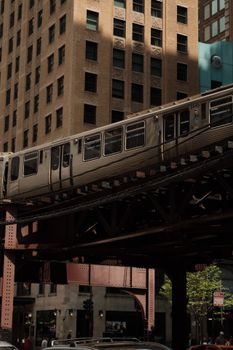
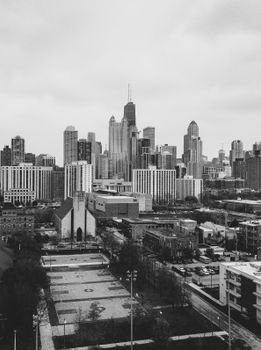
Chicago is a city made for visual souvenirs, from the steel-and-glass skyline beside Lake Michigan to bridges crossing the Chicago River and lively streets beneath the elevated train. These scenes offer plenty of inspiration for postcards from Chicago, whether the mood is bright and summery, reflective at dusk, or atmospheric under a cloudy sky. A photo collage of the city can move naturally from landmark architecture to waterfront horizons and close-up street details.
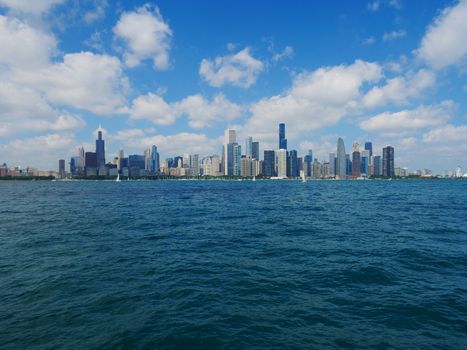
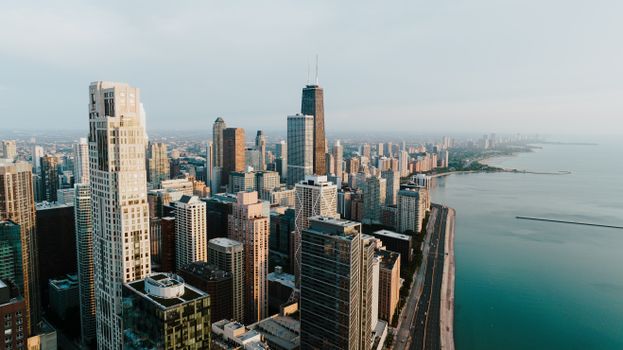
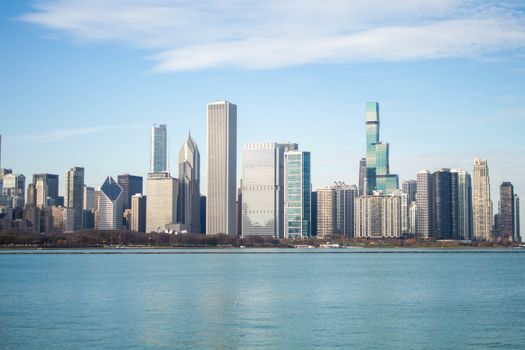
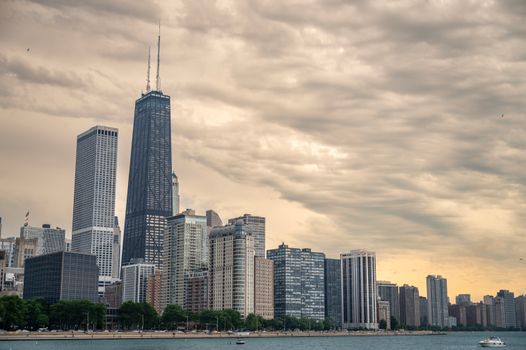
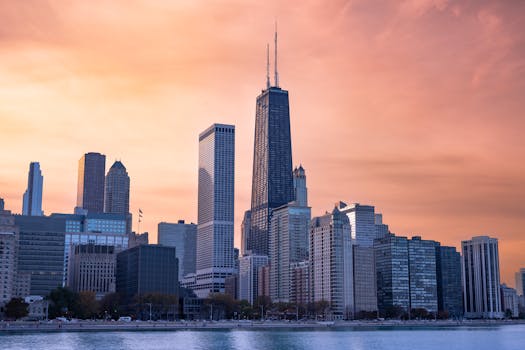
Chicago skyline along Lake Michigan

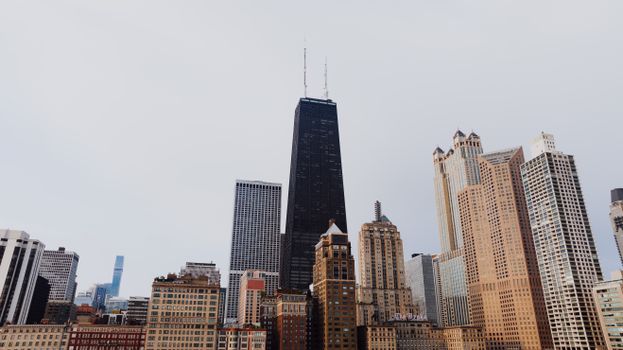
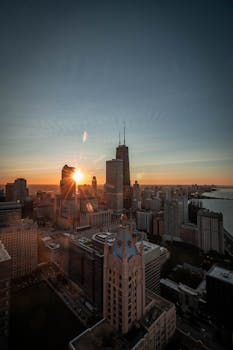
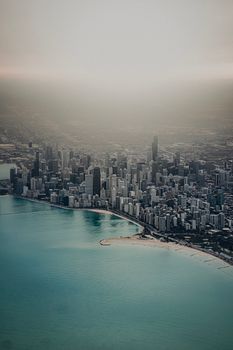
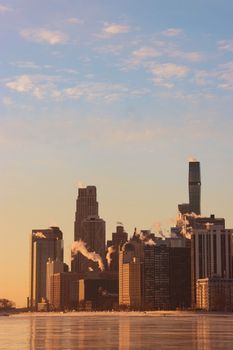
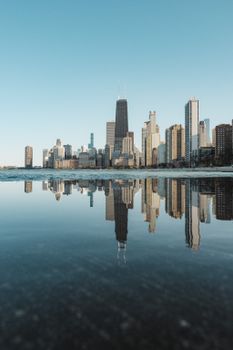
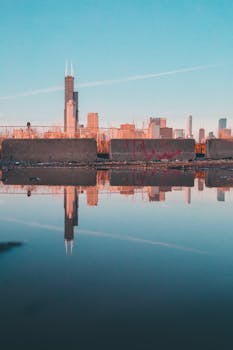
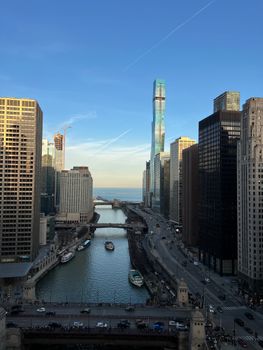
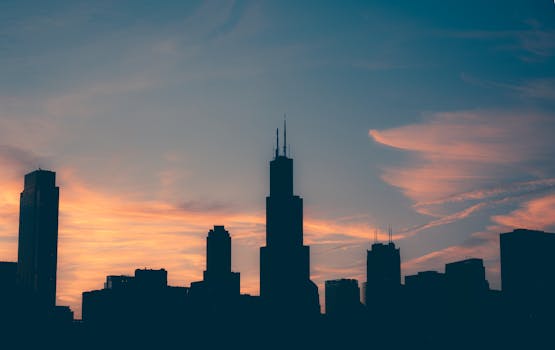
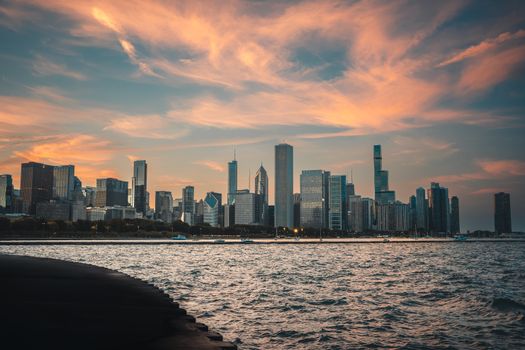
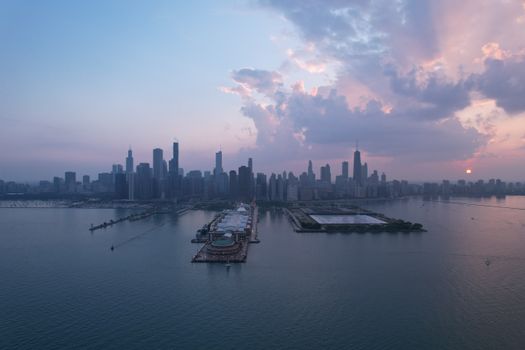
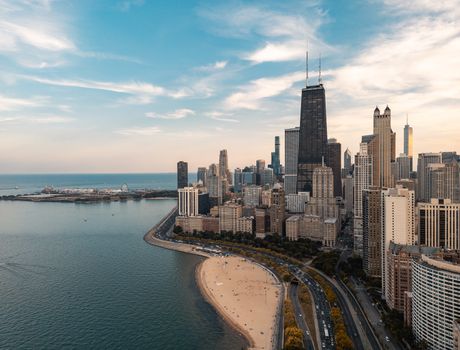
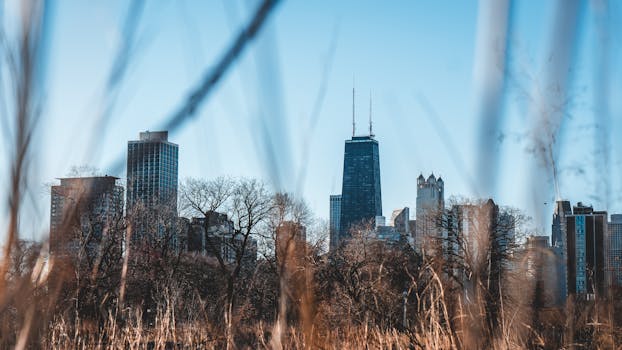
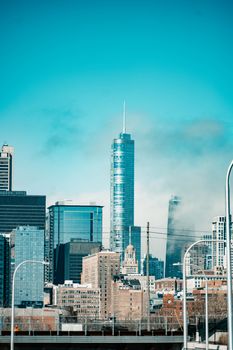
The lakeshore gives Chicago its most recognizable postcard setting: a long horizon of water opening toward dense clusters of skyscrapers. Willis Tower, the John Hancock Center, and other high-rises appear especially striking from a distance, where the city reads as one dramatic architectural silhouette. Clear daylight, sunrise, and sunset each bring out a different character, from crisp blue skies to warm reflections across the lake.
The Chicago River and downtown bridges
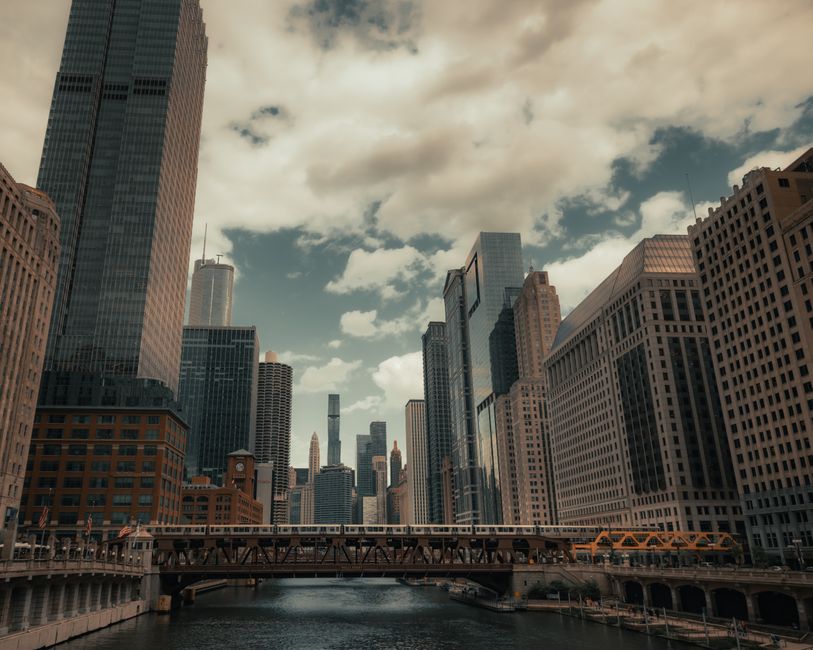
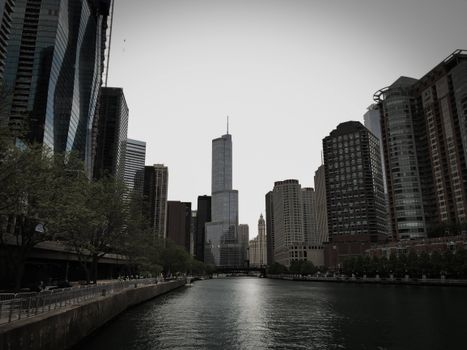
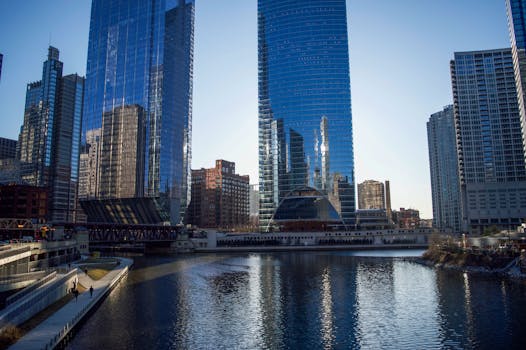
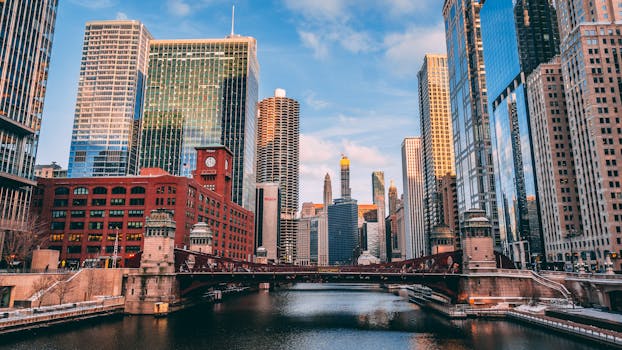
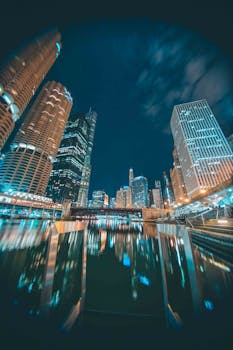
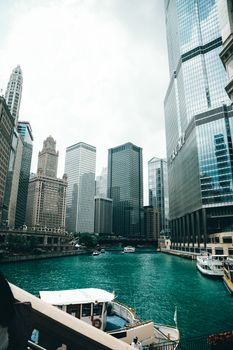
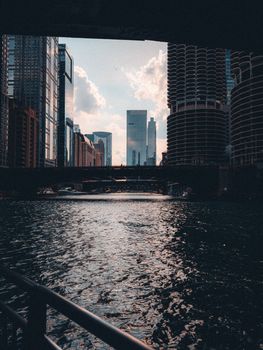
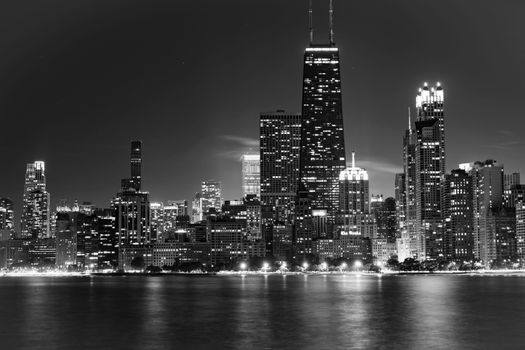
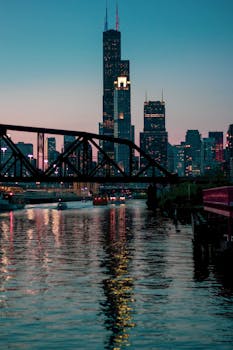
Walking beside the Chicago River reveals a more intimate side of the skyline. Tall façades rise directly from the water, while bridges create strong horizontal lines through the urban canyon. Reflections become especially compelling at sunset and after dark, turning the river into a second, shimmering city and making these views natural choices for a sophisticated Chicago vacation card.
Millennium Park and Cloud Gate
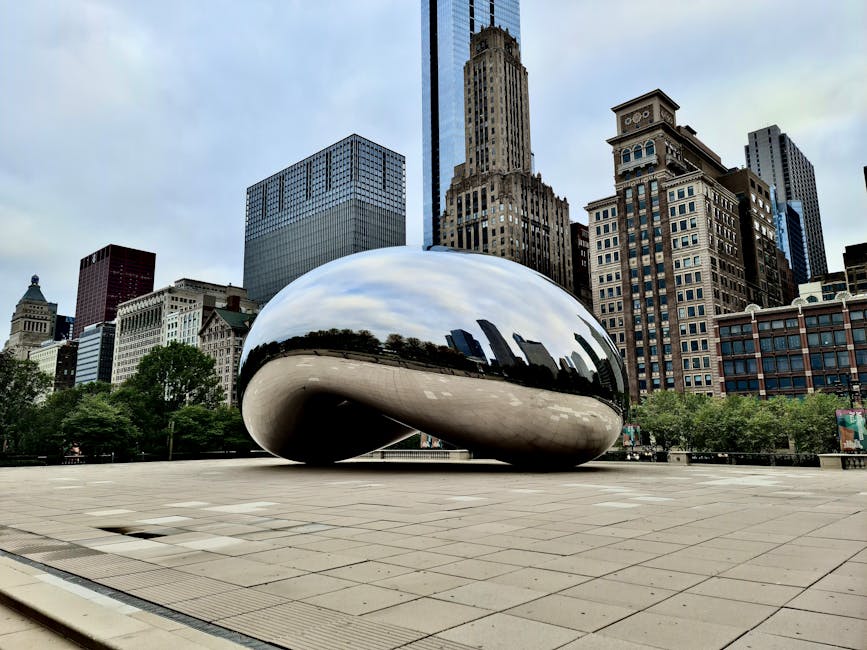
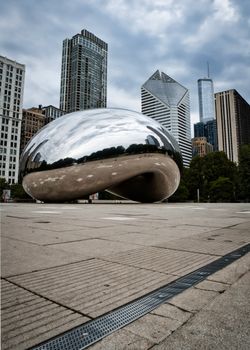
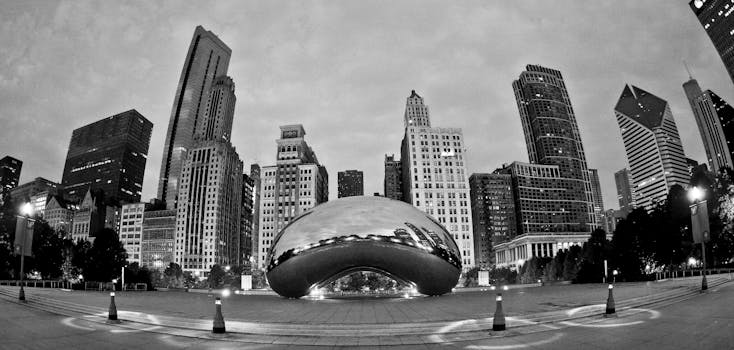
Millennium Park brings Chicago’s architecture into a public, walkable setting. Cloud Gate—the reflective sculpture known as “The Bean”—distorts the surrounding skyline into curved bands of steel and sky, creating a distinctly Chicago image rather than a conventional city panorama. Pairing this landmark with a wider skyline view makes a collage feel grounded in both the park and the downtown towers.
The Loop: skyscrapers, streets, and elevated trains

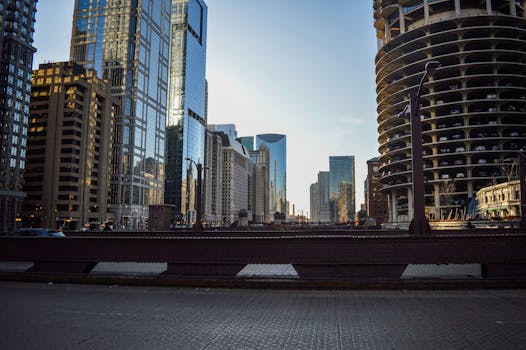
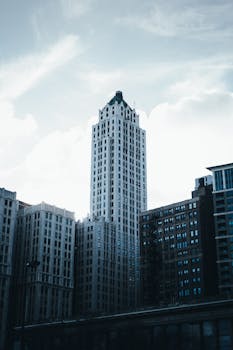
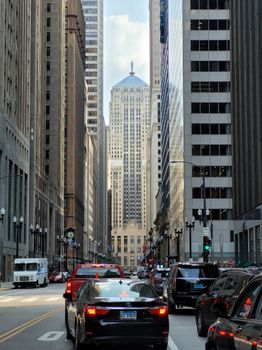
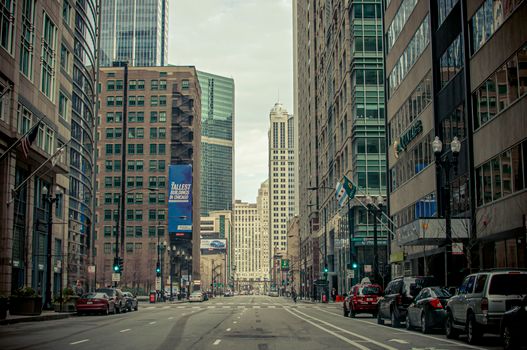
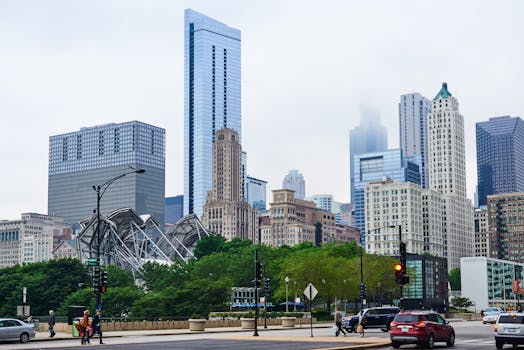
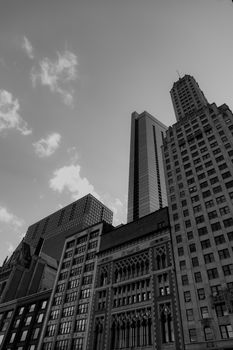
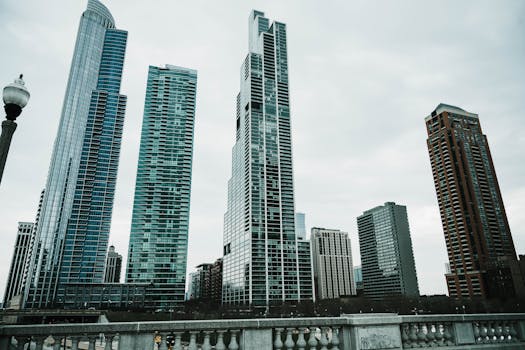
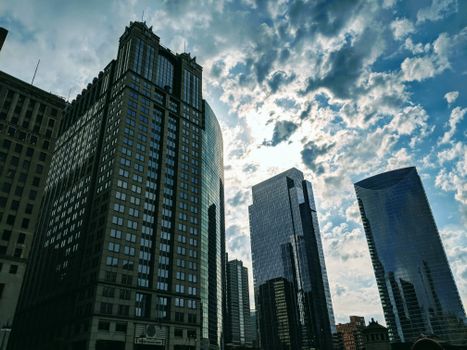
In the Loop, the best impressions often come from looking upward and along the street at once. Low-angle views emphasize the scale of modern towers, while buses, traffic, and the elevated train add movement to the architecture. Willis Tower provides a recognizable anchor in several street scenes, and the contrast between historic façades and newer buildings gives downtown Chicago its layered urban rhythm.

Wrigley Building and historic architectural details

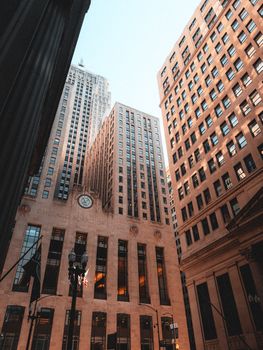
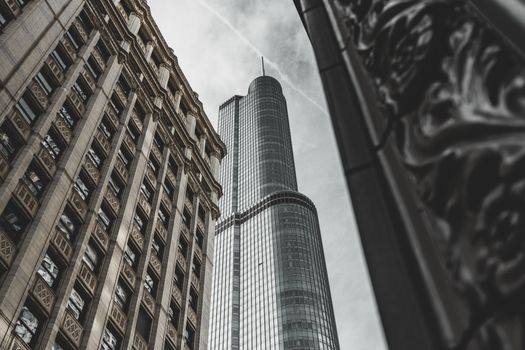
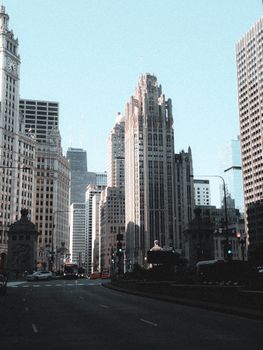
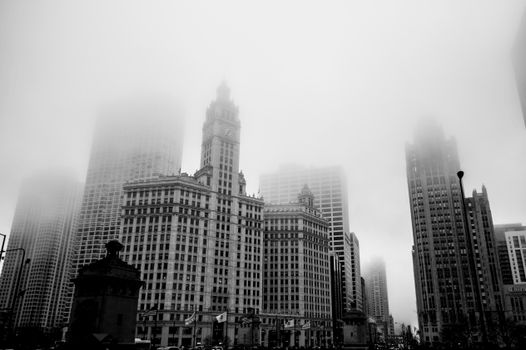
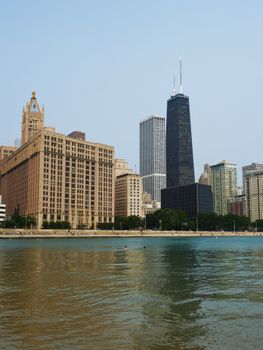
Chicago’s visual identity is not only about height. The Wrigley Building and Tribune Tower introduce ornate detailing, historic silhouettes, and carefully framed façades among the modern towers. Close-up architectural views work well alongside broad skyline photographs, showing how the city’s streets combine monumental scale with decorative stonework and distinctive profiles.
Chicago at dusk and after dark
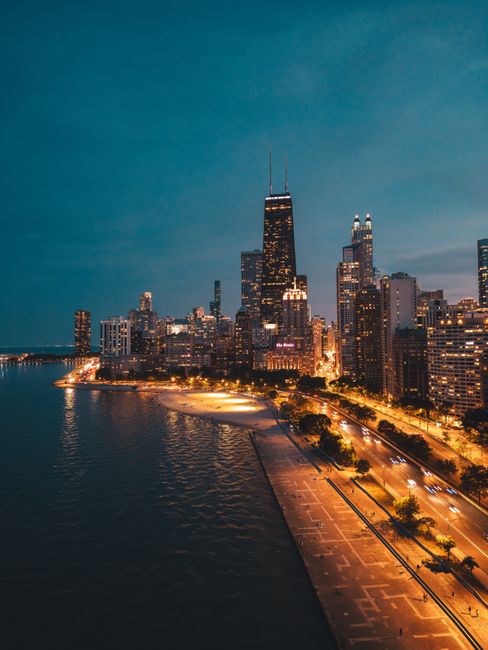
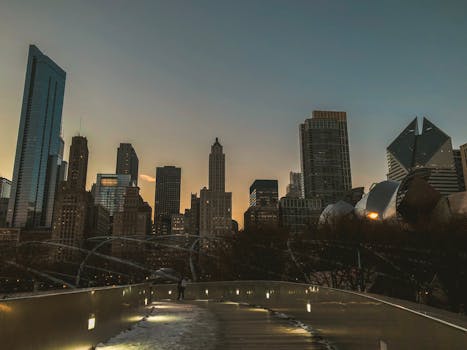
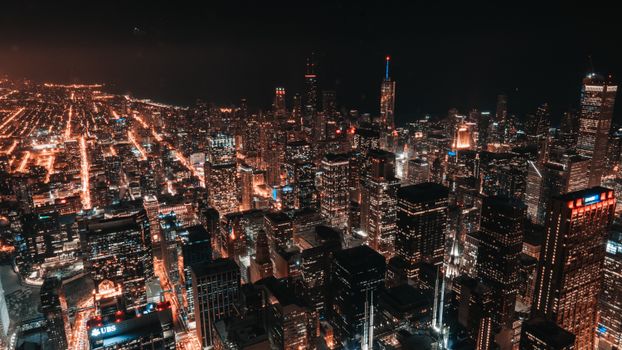
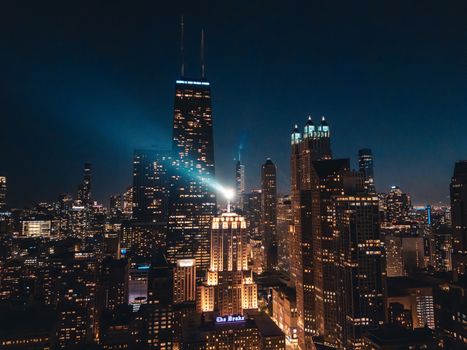
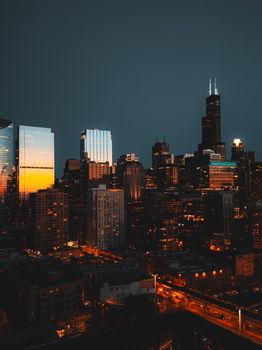
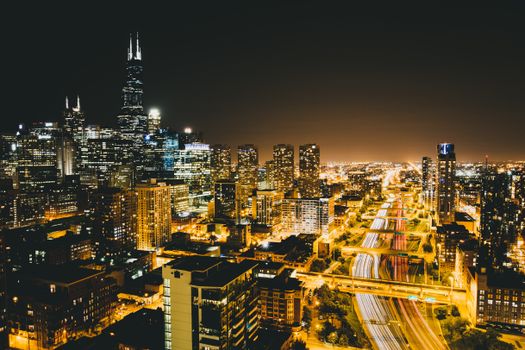
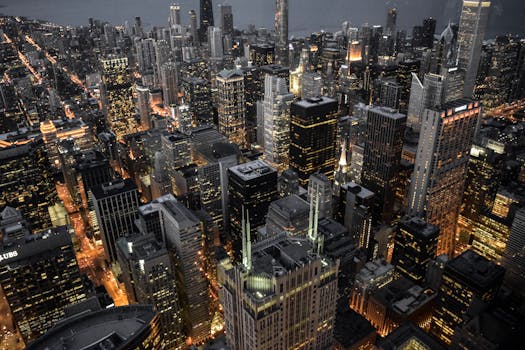
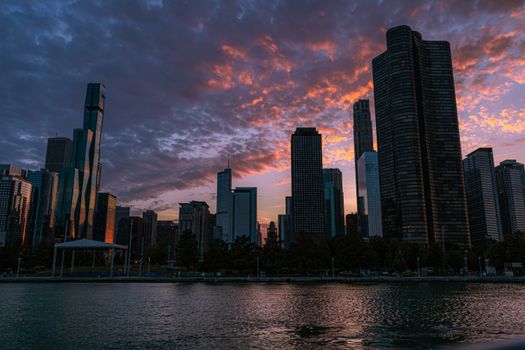
As daylight fades, Chicago becomes a composition of illuminated windows, deep water, and changing sky. Skyline reflections soften the edges of the towers, while aerial and waterfront views reveal the city’s broad shape more clearly than a street-level walk. These twilight scenes make atmospheric postcards from Chicago, especially when a collage moves from blue-hour calm to the brighter energy of the nighttime skyline.
Buckingham Fountain, beaches, and open waterfront space

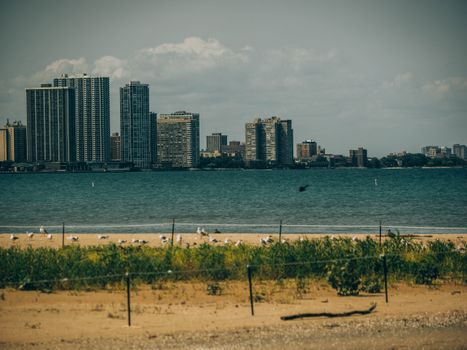
Chicago’s skyline feels different when seen across grass, sand, or an open lakeside promenade. Buckingham Fountain places the towers in a spacious park setting, while beach and shoreline views add seagulls, greenery, and a softer foreground. The combination balances the intensity of downtown architecture with the broad, restful presence of Lake Michigan.
People, symbols, and everyday Chicago
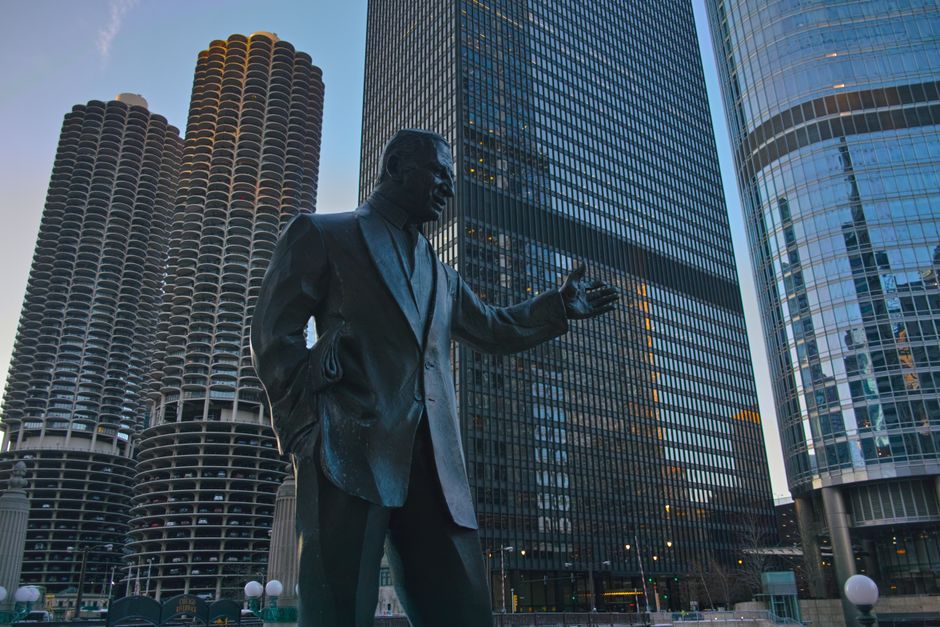
A city collage becomes more personal when landmark views are joined by smaller signs of local life. The Irv Kupcinet statue offers a human-scale downtown moment against the skyscrapers, while street perspectives and waterfront silhouettes suggest the pace of ordinary walks through Chicago. Together, these details keep the city from feeling like only a collection of buildings.
Photos provided by Pexels