Postcard Travel Guide
Asokah: Traditional Dress, Color, and Contemporary African Style
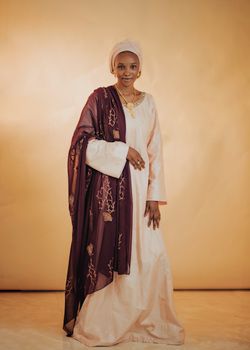
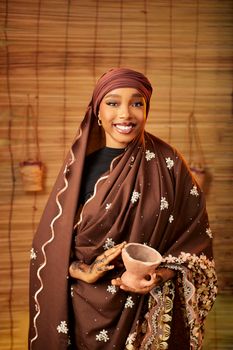
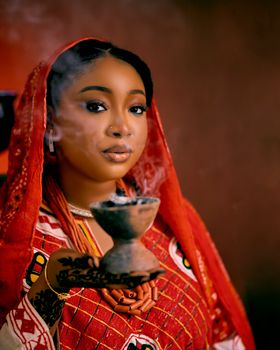
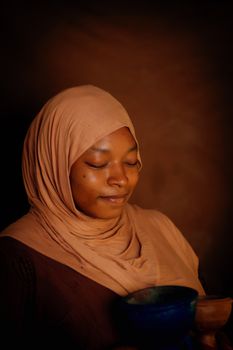
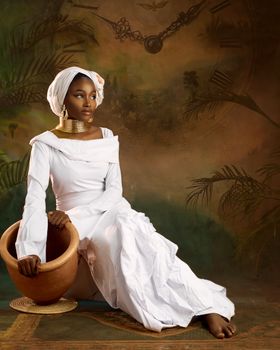
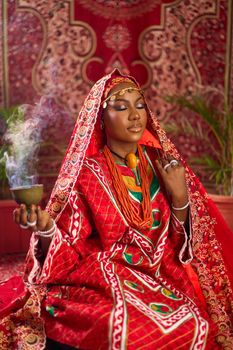
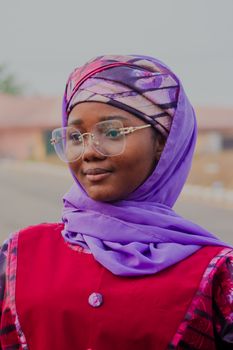
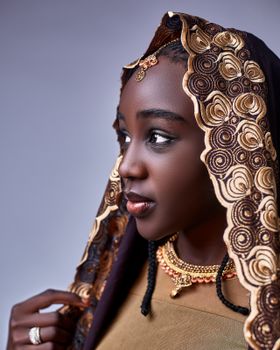
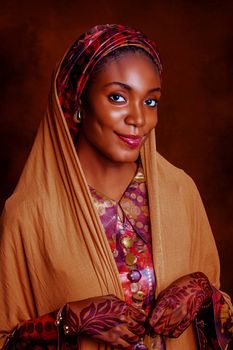
Asokah comes through in these portraits as a subject of cultural expression rather than a conventional city panorama. Rich fabrics, headscarves, embroidered details, clay vessels, incense, and confident outdoor poses create a warm visual language rooted in West African tradition. For postcards from Asokah or a photo collage inspired by the place, these intimate portraits offer a strong sense of color, character, and atmosphere.
Traditional elegance and cultural detail in Asokah

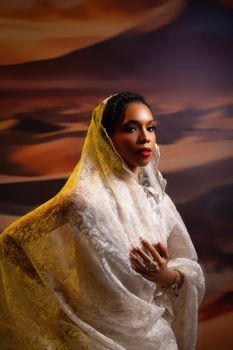
The strongest visual impression of Asokah is the care given to traditional clothing and ceremonial details. Patterned shawls, embroidered dresses, henna, decorated pots, and vessels held with quiet composure make these portraits feel connected to heritage and everyday ritual. Warm earth tones and deep reds give the images the character of a classic cultural postcard.

Colorful contemporary fashion portraits

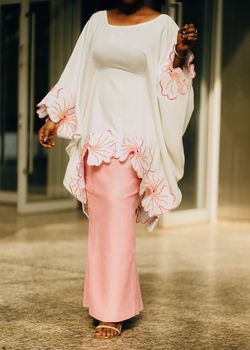
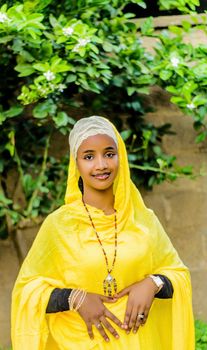
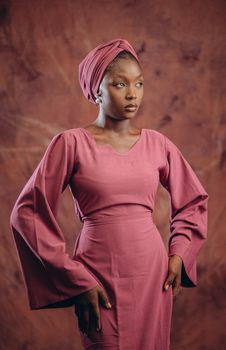
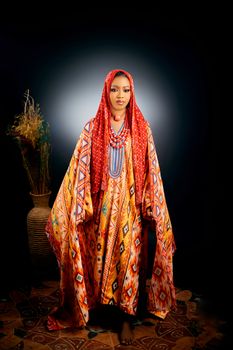
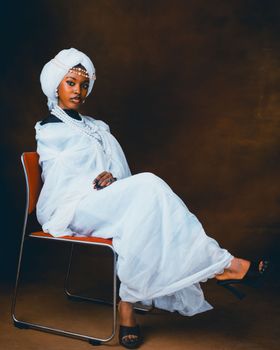
Asokah also appears through a modern, self-assured style. Bright Nigerian attire, pastel fabrics, sunglasses, jewelry, and carefully coordinated headwraps bring a fashion-forward energy to the collection. The contrast between vivid clothing and restrained backgrounds keeps attention on posture, expression, and textile detail—an effective centerpiece for a vacation-card collage.




Quiet outdoor settings and reflective moments

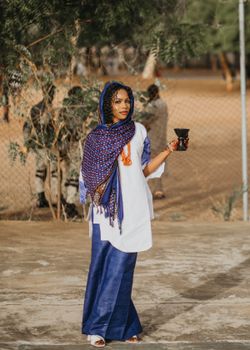
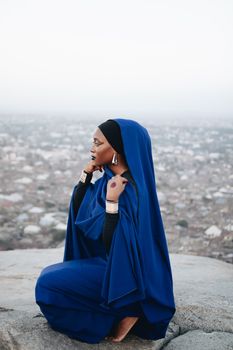
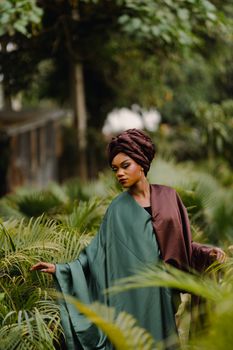
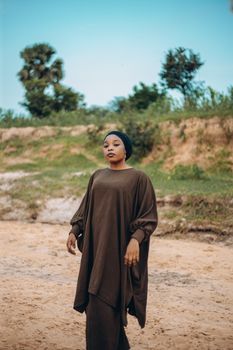
Several portraits move beyond the studio into open air, greenery, rocky ground, and elevated viewpoints. Seated poses and calm expressions create a slower impression of Asokah, where traditional dress meets landscape and contemplation. These scenes add breathing room to a collection dominated by close portraits and would work well as the quieter panels in a travel-inspired collage.



Hausa and Nigerian identity through portraiture
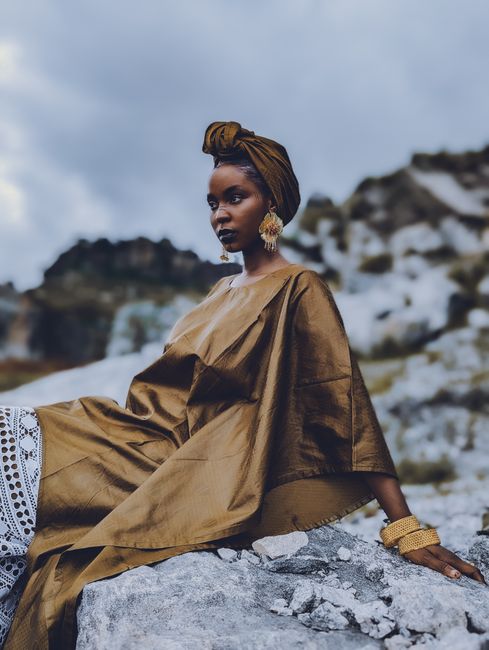
The portraits suggest a visual story shaped by northern Nigerian and Hausa influences, with flowing garments, modest silhouettes, headscarves, and richly patterned textiles. Some settings are explicitly associated with Abuja, while others remain intentionally intimate and location-neutral. Together, they present Asokah through people and dress rather than landmarks: a personal, human-scale collection of expressions, textures, and cultural pride.


Photos provided by Pexels